
Teaching Reading Isn’t Just About Skills—It’s About Creating a Love for Stories
When parents think about teaching their child to read, the focus is often on structure:
- What method should I use?
- How often should we practice?
- Are we doing enough?
But one of the most important pieces of early literacy is often overlooked:
A child’s emotional experience with reading.
Before reading becomes a skill, it becomes a feeling.
It’s the feeling of sitting next to a parent.
The sound of a familiar voice.
The rhythm of turning pages together.
This is why shared reading experiences matter so much—especially around meaningful moments like holidays.
Mother’s Day and Father’s Day, for example, create natural opportunities for connection. When reading is woven into those moments, it becomes more than practice—it becomes memory.
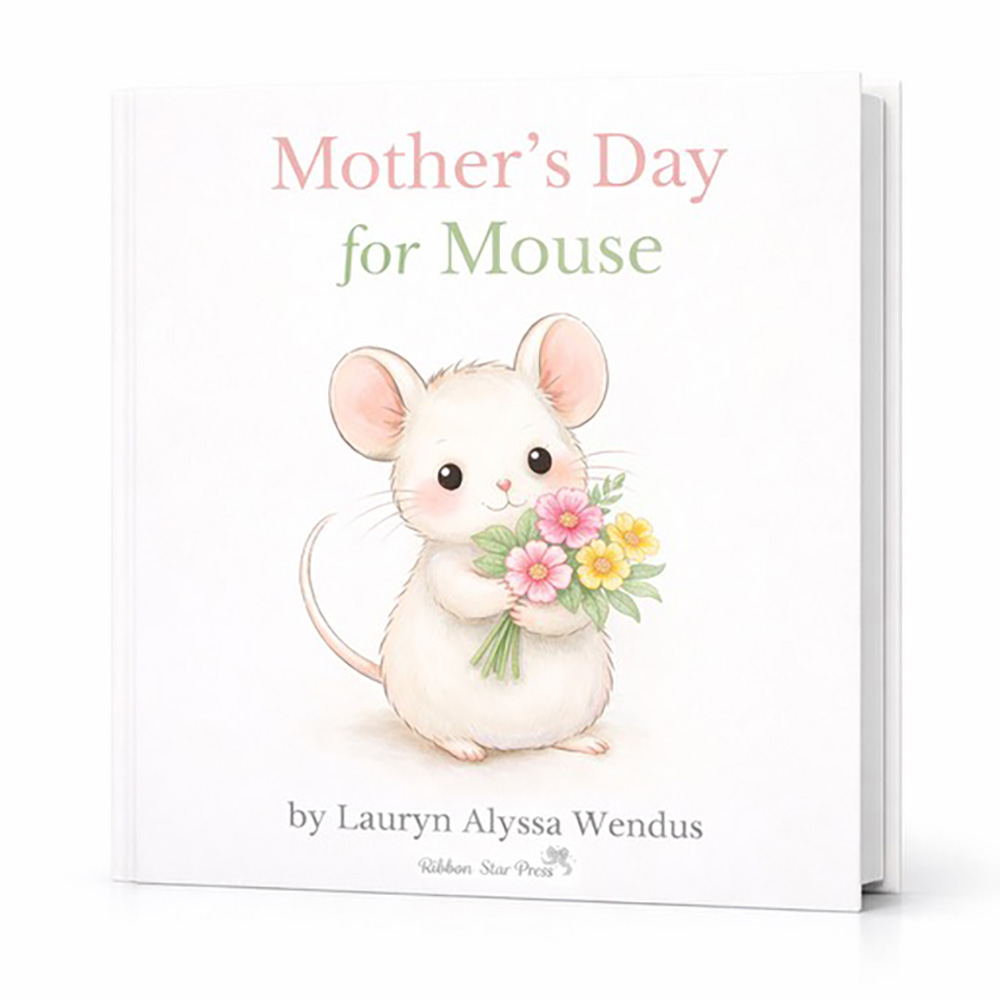
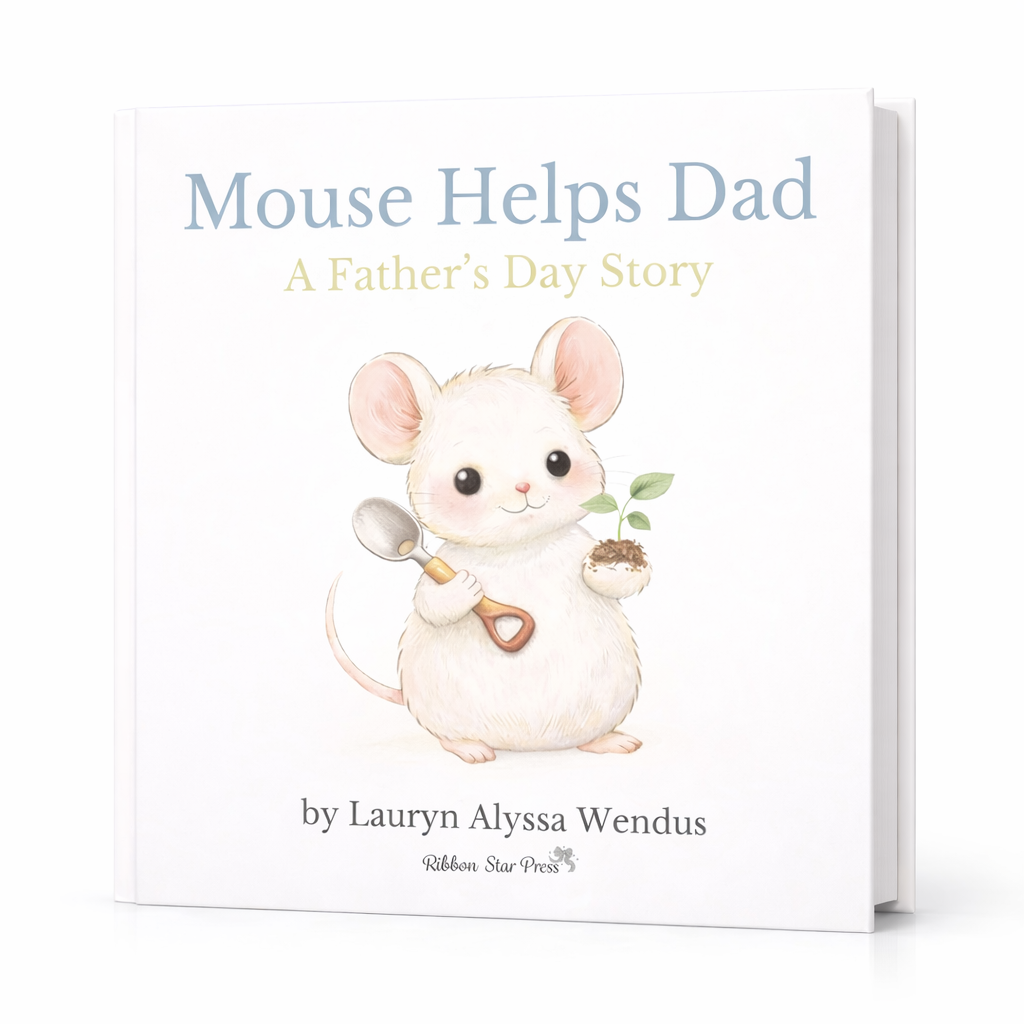
Books like Mother’s Day for Mouse and Mouse Helps Dad: A Father’s Day Story are simple by design. They create space for interaction, closeness, and shared experience—rather than just focusing on complexity or instruction.
Even small details, like a page where a child can write or draw a message to their parent, shift reading from something passive into something participatory.
When children associate reading with warmth, connection, and joy, they are far more likely to engage with it willingly.
And that’s where real learning begins.
Because teaching a child to read isn’t just about helping them decode words—it’s about helping them fall in love with stories.